Radiators Cold at the Bottom? Here Is Why
Cold at the bottom usually means sludge buildup, not a broken boiler. Here is how to fix it and when to call in a professional.
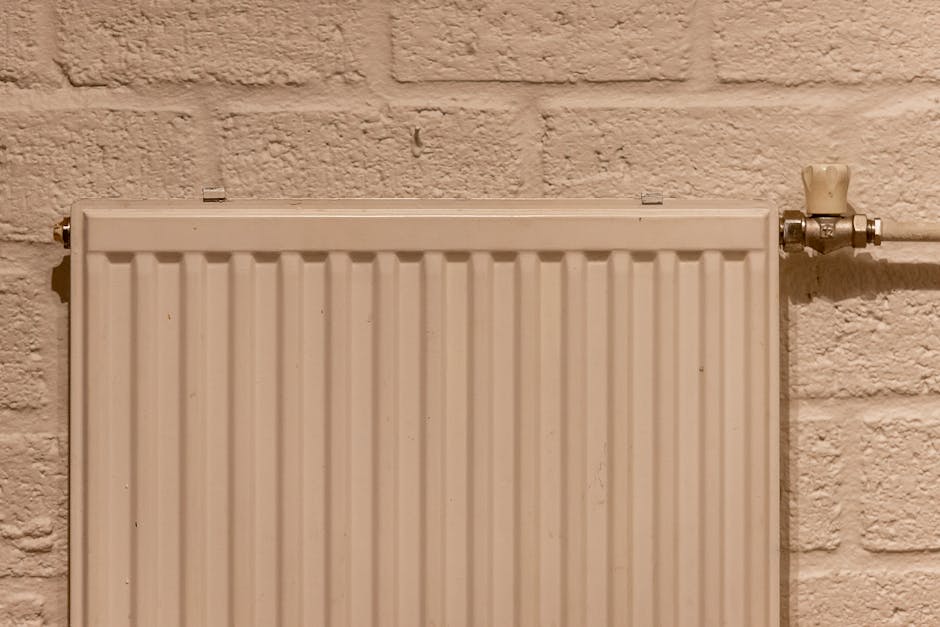
Put your hand on the radiator and the top is warm but the bottom stays stubbornly cold. It is one of the most common heating complaints in the Midlands, especially once the colder months hit and heating systems are running harder than they have all year.
The good news is this particular fault is rarely a sign your boiler is failing. It is almost always something inside the radiator itself, and in most cases it is fixable in an afternoon.
The usual culprit: sludge and debris
Radiators cold at the bottom are a textbook sign of sludge. Over years of use, your central heating system builds up a mix of rust, limescale and sediment inside the pipework. This gunk is heavier than water, so it sinks to the bottom of the radiator and sits there, blocking hot water from circulating through that section.
Heat rises, so the top of the radiator still gets warm water flowing through, but the bottom stays cold because the sludge is physically in the way. This is different from a radiator that is cold at the top, which usually means trapped air rather than debris, and needs bleeding rather than flushing.
How to check if sludge is the problem
A few quick checks will confirm it:
- Turn the radiator off and feel along the bottom edge. A cold strip that runs the full width usually points to sludge rather than a partial blockage.
- Check if it is happening to just one radiator or several. Sludge tends to affect the whole system eventually, but it often shows up worst in the radiators furthest from the boiler.
- Look at the water when you bleed a radiator. Dark, discoloured or gritty water is a strong indicator.
If your system has never had a power flush and is more than five or six years old, sludge is the likely explanation.
Fixing it: power flushing and chemical cleans
A power flush uses a pump to force water through your radiators and pipework at high velocity, dislodging built up sludge and clearing it out of the system. For lighter buildup, a chemical flush using a cleaning agent left to circulate for a few hours can do the job without specialist equipment.
Either way, this is a job for a qualified engineer rather than a DIY fix, particularly on older systems where corroded pipework can be disturbed by aggressive flushing. Check any tradesperson is Gas Safe registered before booking, which you can confirm directly through the Gas Safe Register.
Prevention: keep it from coming back
Once your system is clear, an inhibitor chemical added to the water slows down future corrosion and sludge formation. It is a standard part of any decent boiler service, and the Energy Saving Trust notes that a well maintained system also runs more efficiently, which helps keep bills down over winter.
Regular servicing catches sludge buildup early, before it causes bigger problems like a banging boiler or pressure that keeps dropping. Our guide on how often a boiler should be serviced covers what a proper annual check should include.
When it points to something bigger
If flushing does not fix it, or if you are also seeing symptoms like no hot water but the heating works or a system that keeps losing pressure, the sludge may have already caused damage to the pump or heat exchanger. At that point it is worth having an engineer assess whether repair still makes sense or whether the signs point to a new boiler being the more cost effective route.
If you are weighing up a full system upgrade anyway, our new boiler cost guide and comparison of combi, system and regular boilers are good starting points.
Getting it sorted
Cold radiators are annoying but rarely urgent. Book a Gas Safe engineer to flush the system and add inhibitor, and it should be sorted in one visit. If the problem keeps returning or your boiler is showing its age alongside it, get a fixed price from Norvera and we will match you with a local, vetted engineer covering your area.
Frequently asked questions
Can I fix cold radiators myself?+
Bleeding trapped air is a simple DIY job, but clearing sludge properly needs a power flush or chemical flush, which is best left to a Gas Safe registered engineer.
Is a cold bottom different from a cold top on a radiator?+
Yes. Cold at the top usually means trapped air and needs bleeding. Cold at the bottom points to sludge or debris sitting in the radiator, which needs flushing instead.
How much does a power flush cost?+
Prices vary by system size, but a whole house power flush typically costs a few hundred pounds. It is far cheaper than replacing a damaged pump or heat exchanger caused by long term sludge buildup.
Will sludge damage my boiler if I ignore it?+
Over time, yes. Sludge can circulate back into the boiler and damage the pump or heat exchanger, leading to breakdowns and reduced efficiency.
Related guides
 Advice
Boiler not firing up? Work through these checks first
Boiler will not start and the heating is dead? Before you panic, run through these common causes and safe checks.
 Advice
Boiler Leaking Water: Causes and What to Do
A puddle under your boiler is never normal. Here's what causes leaks, what to do right now, and when it's time for a repair or replacement.
 Advice
Boiler Pressure Too High? How to Bring It Down
If your pressure gauge is sitting in the red, here's how to safely bring your boiler pressure back down without calling an engineer.
Need a boiler replacement?
Tell us about your boiler and we will get you a fixed price. No obligation.